
CLIENT PROBLEM
What the system needed to solve
The system needed to behave like one store technically while continuing to feel like five distinct brands to customers.
SHOPIFY · MULTI-BRAND STOREFRONT
Fresh and Good Food Solutions operated five independent Shopify stores under one company. That structure preserved each brand's identity, but it created separate purchasing journeys, duplicated maintenance and unnecessary technical complexity. I designed and developed a unified Shopify storefront that kept the brands visually distinct while bringing them onto one technical foundation.
View live site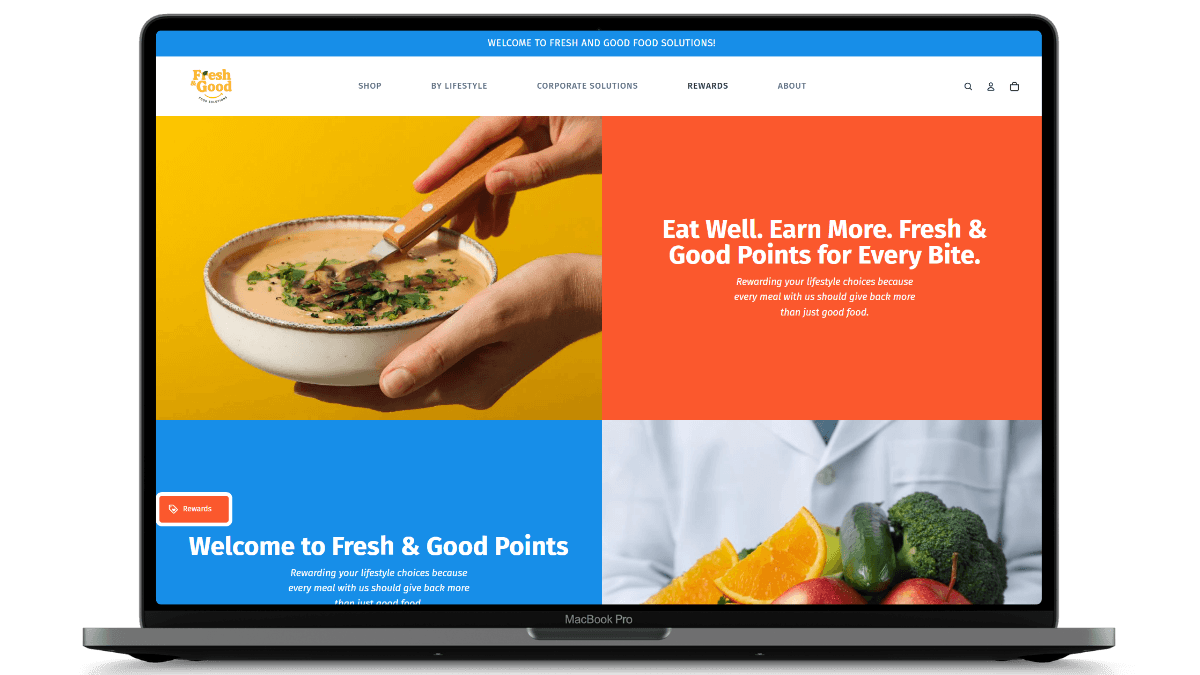
SITUATION
Each brand had its own storefront and established customer expectations. A simple visual merger would have weakened those identities, while maintaining five stores created operational and customer friction.
CLIENT PROBLEM
The system needed to behave like one store technically while continuing to feel like five distinct brands to customers.
MY RESPONSIBILITIES
APPROACH
I treated the brands as distinct customer experiences supported by one shared commerce foundation. That made it possible to preserve recognizable brand cues without maintaining five customer-facing stores.
Product taxonomy and structured brand data became the source for presentation rules, delivery information and cart grouping. The result was a system that could apply the right behaviour consistently instead of relying on one-off page edits.
TECHNICAL SOLUTION
Structured product data and brand taxonomy were used to control visual presentation and product behaviour while retaining a shared Shopify foundation.

Custom Liquid logic applied brand-specific templates, styling and content rules without relying on a separate storefront for each brand.
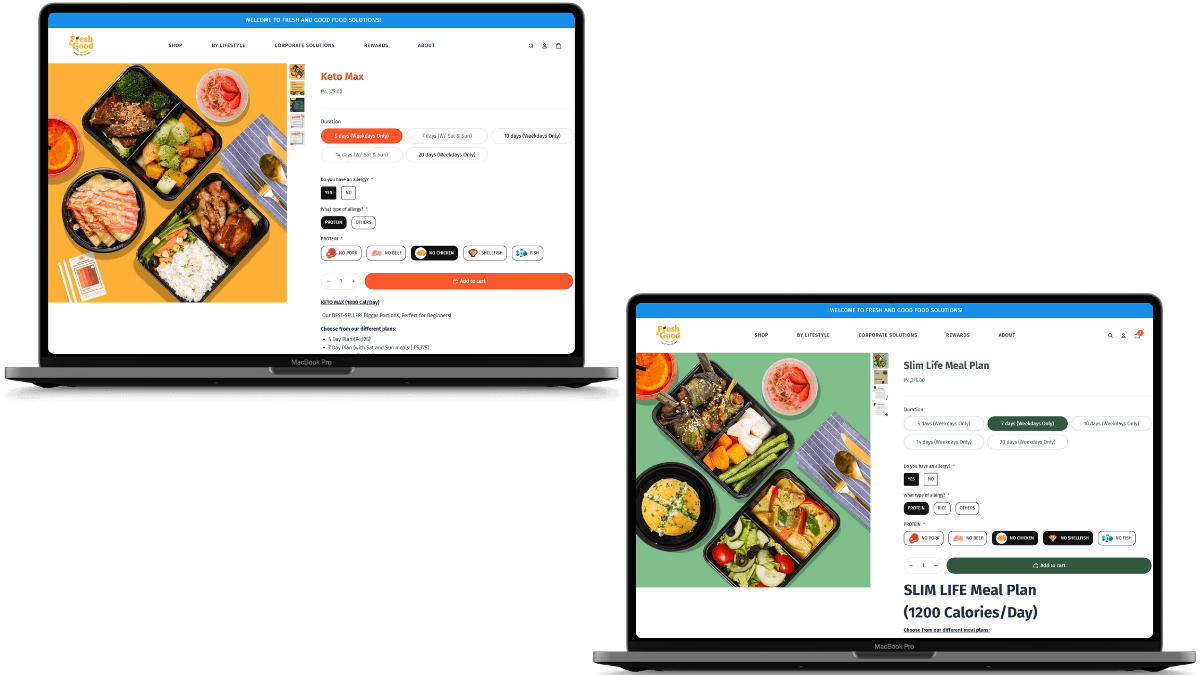
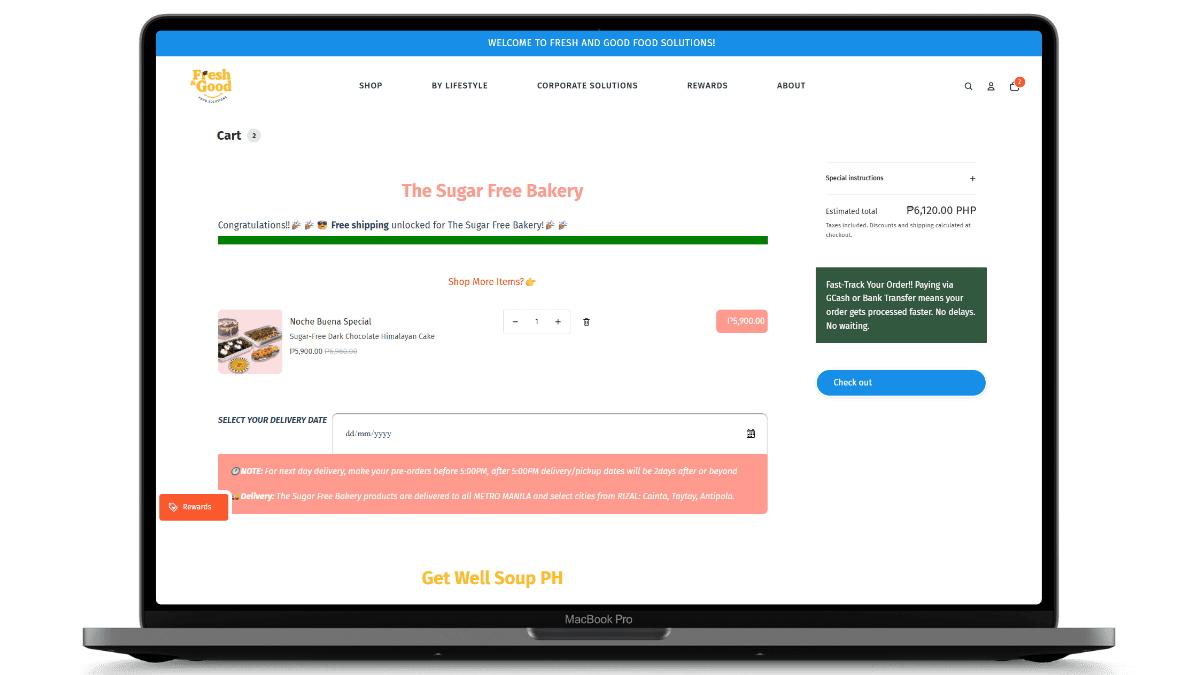
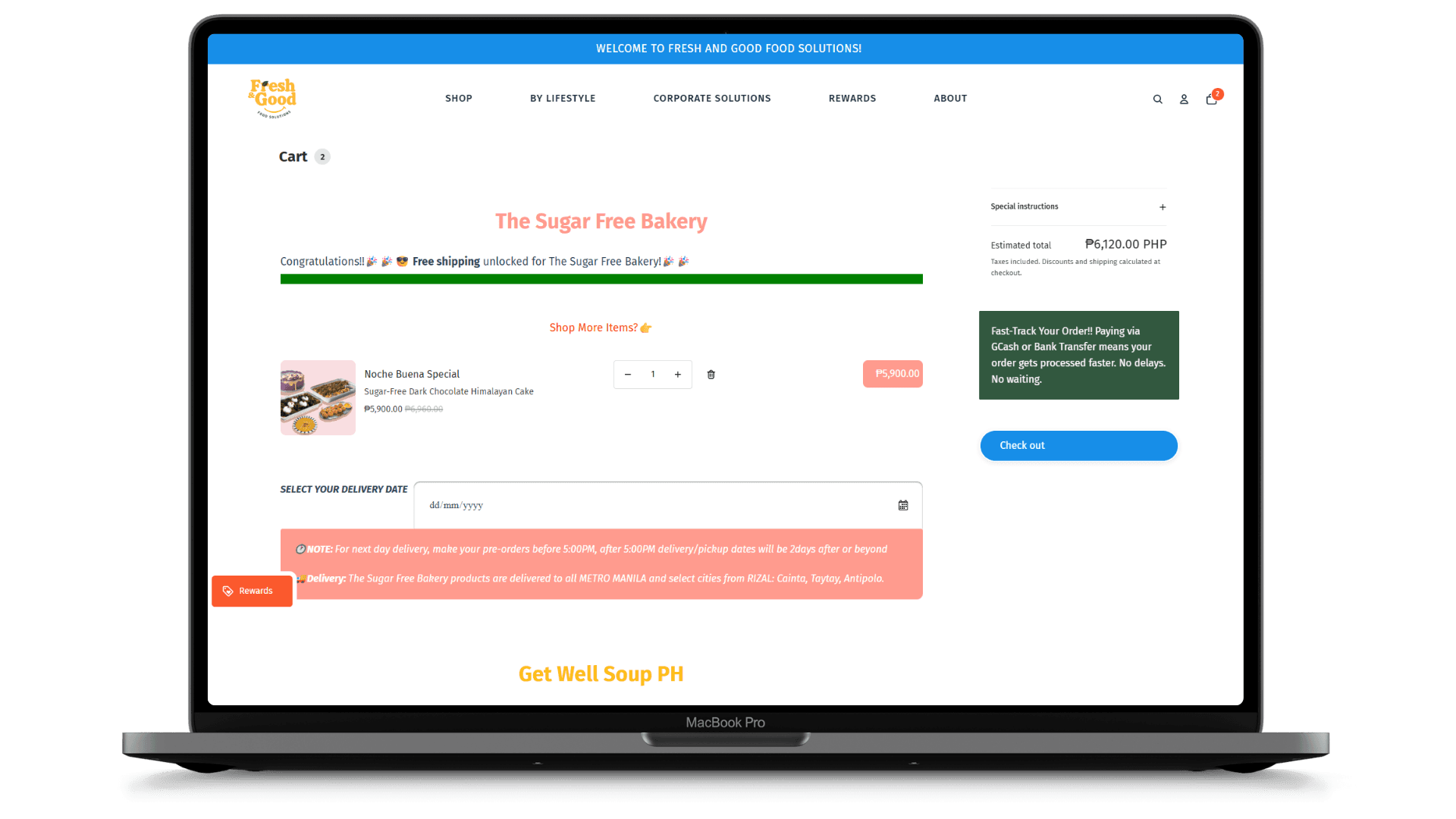
Cart items were grouped by brand so customers could understand which products belonged together and view the relevant delivery or date requirements before checkout.
The implementation reduced reliance on unnecessary legacy scripts and dependencies while keeping the purchasing experience responsive.
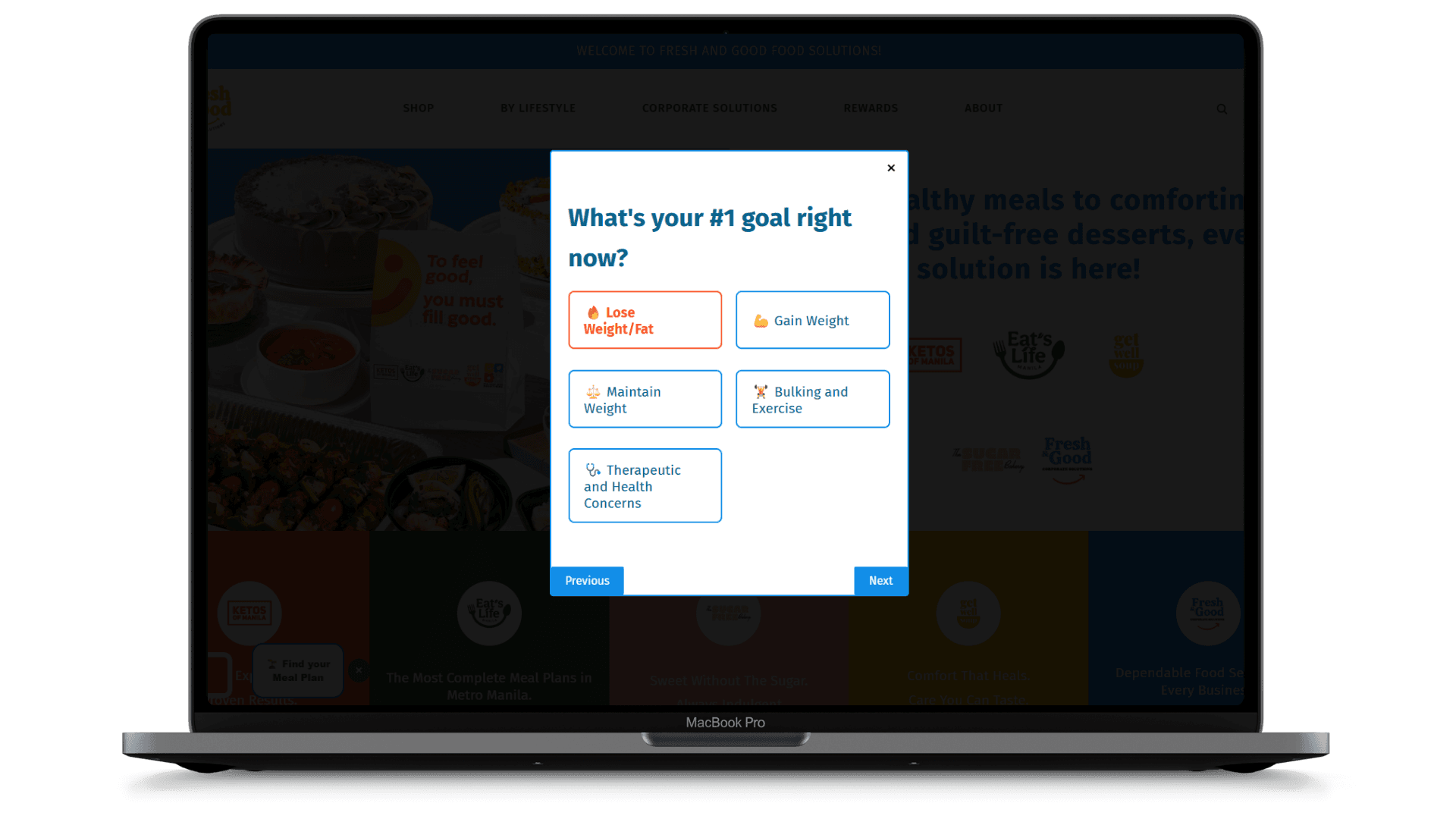
A custom storefront tool helps customers identify suitable meal plans using BMI inputs and nutritionist-defined parameters supplied by Fresh and Good Food Solutions, including dedicated paths for therapeutic or specialized nutrition plans.
Testing focused on whether five brands could share one Shopify foundation without producing inconsistent customer behaviour. I validated brand-specific Liquid rules, product discovery, presentation logic, grouped-cart behaviour, delivery information, fulfilment requirements and the guided meal-plan flow.
Responsive and regression checks were completed after storefront cleanup and the removal of unnecessary scripts and dependencies.
VISUAL WALKTHROUGH
FINAL OUTCOMES
Five brands operate through one Shopify storefront.
Customers can purchase across the brands through one checkout.
Each brand retains a distinct visual and product experience.
Cart items remain clearly grouped by brand.
The company manages one technical storefront instead of five separate customer-facing purchasing systems.
IMPORTANT DECISIONS & REFLECTION
The central design decision was to treat brand independence as a presentation and behaviour problem, not as a reason to preserve five technical storefronts. Shared architecture only worked because the brand rules, fulfilment information and cart context remained explicit throughout the customer journey.
“We had great products, the challenge was communicating those products clearly online. Paul helped us build a website that finally reflects the quality of what we do”
 JamesCEO, Fresh and Good Food Solutions
RELATED PROJECT

WORDPRESS · PROPERTY WEBSITE
Overseas buyers needed property, location and purchasing context that a standard listing page could not provide.